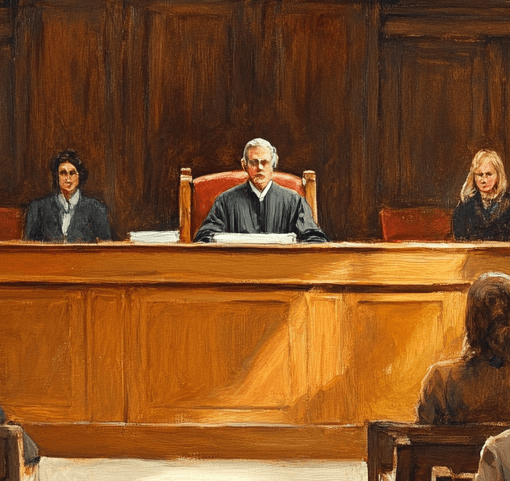
我犹豫了一下,还是没敢直接用《如何让法官开心》来做这篇博客的标题。
在 Lepp v. The Municipality of York, 2022 ONSC 6978 (CanLII) (“Lepp”) 这个案例中,具体的法律问题已经不重要了,而重要的是主审法官提供的一份对律师如何准备上庭文件的指南。尊敬的Mark Edwards大法官,利用他的这份批注 (endorsement) 解释了一个让司法机构非常头疼的问题,那就是“文件堆砌” (document dump) 的问题。
在整份批注中,“less is more”出现了三次,我相信,这就是法院在要求我们律师在准备动议材料时,需要具备的核心思想。
大法官明确指出,某些规则,例如 Notice to the Profession 中的规定,是最低标准,而不仅仅是对律师的建议。虽然大法官提到的这份2022年的法院公告已经在安省法院官网上被下架,但这些规则的精神依然至关重要,法院希望诉讼律师提供简练、有序且带有超链接 (hyperlinked) 的材料,以尊重法官有限的时间。
现在,让我们逐段深入解读大法官对律师们的指导,看看法官到底想告诉我们什么。
[9] Regrettably, I have seen numerous instances where counsel has filed materials that are separated by “Tabs”. In order to find a particular tab, one has to scroll through the materials to find what you are looking for. In the so called “good old days”, when briefs were filed with actual tabs, we could all go to that tab without difficulty. In the virtual world if the “tabs” are not separated by hyperlinks or some other method by which the court can find a document then counsel will find the judiciary simply won’t have read their materials.
在全文中,“Less is more” 在批注中出现了 3 次,但“hyperlink” 这个词出现了 8 次之多,可见法官们多么痛恨没有设置内部超链接的PDF。
过去,文件是纸质的,在适当的地方加入一张“标签页”,就能让任何读者都快速找到想要的内容。
但现在都是PDF了,如果没有超链接,而是在一个很长的PDF里,让法官前后一通乱翻来找某特定页,那就是在浪费法官的时间。因此,如果你不使用超链接把目录和材料连接起来,法官干脆就不会读你的材料。
[10] Advocacy is both an art and a skill. To advocate for one’s client involves both written and oral advocacy. Both are skills that can be learned and improved upon. Part of that skill begins in the lawyer’s office as he or she prepares for oral argument. Part of the skill is recognizing what your motion judge will need to write his or her endorsement/reasons. Counsel needs to exercise good judgement in their determination of the written record that the court will need to review prior to oral argument. Good judgement does not include “throwing the kitchen sink” into a “document dump” that you hope the court will be able to sort out. Rather good judgement will involve how to make your client’s case more attractive to the motion judge.
诉讼律师的核心任务之一,在于帮助法官做好他们的工作,而不是给他们增加更多负担。一个优秀的律师会精准预判法官撰写最终判决时真正需要的文件。“Good judgment”意味着要有选择性,而不是把每一张纸都倒进记录里,然后指望法院自己去理解、整理。律师的目标是让案子看起来清晰吸引人、容易跟进,而不是把最关键的论点埋没在“证据大杂烩”里。
[11] Amongst the things that a lawyer provides to his or her client are the skills expected of an advocate. It is no secret that civil litigation has its challenges and that the costs of litigation increase every year creating access to justice issues for the general public. While lawyers will take their instructions from their clients those instructions must be informed instructions. Exercising good judgement in terms of the documents to be filed with the court does not require a lawyer to blindly follow instructions to create a “document dump”. The good advocate will ensure the client understands that not every piece of paper in the clients file is relevant or necessary to what the court will need to adjudicate a matter.
客户常常以为证据越多案子就越有力,但律师被聘请,靠的是专业判断力,而不是单纯服从命令。把客户的每份证据都塞进记录,不仅费用高昂,而且在早已成本高企的司法系统中反而适得其反。
律师必须主动引领客户方向,向客户解释为什么某些文件应该留在自家档案里,而不是提交给法官。
有效的辩护,需要律师过滤掉噪音,让法院把注意力集中在真正决定胜负的关键信号上。
[14] Regrettably what might have been reflected in the top ten ways to lose a motion is what the judges of this court have to deal with everyday. Like lawyers one of the most valuable commodities, we have is time. Time is in very short supply. Judges are asked every day to adjudicate numerous motions and or to deal with numerous pre trials. It is simply impossible to expect that the judiciary will have read everything that lawyers typically file. The Notice and The Rules are written not as suggestions but rather to help the Bar streamline their materials in a manner that will ensure the bench will have read the “key” documents and caselaw.
法官的时间非常有限, 每天要处理大量motions和pre-trials,指望法院把律师提交的所有材料全部读完,根本不现实。这就是为什么Rules和Notice不仅仅是建议,而是明确要求律师必须提交精简的材料,让法官能够真正读到关键文件和关键判例。
[16] The Bar needs to be assured that the Bench will read the factums filed. The Bench will also read the Compendiums. Where time permits the Bench will also read the salient documents filed as part of the motion record. The compendium should contain the relevant documents and caselaw that will be argued in oral argument. The judiciary simply can not be expected to read 1300 pages for a motion that was to be argued in under an hour.
律师应当明白,法官会根据有限的时间来决定阅读的先后顺序,通常从 factum 和 compendium 开始。
完整的 motion record 通常只有在时间允许的情况下才会被翻阅,因此,把关键证据埋在里面是最不可靠的做法。
从数学上讲,法官不可能在不到一小时的听证会时间内消化掉一份 1300 页的文件。
因此,为了确保法院能看到最重要的证据,律师必须将那些“核心” (salient) 文件直接放进一份简练的compendium中。
[17] In the result, I adjourned today’s motion to allow counsel to comply with the Notice. Very simply put, the Bar needs to reflect on why they are filing materials that are hundreds, if not thousands of pages long. This applies to Motion Records, Caselaw and Pre Trial memos. In the world we now live in, the Bar needs to appreciate that apart from the requirements imposed by the Notice and the Rules of Civil Procedure judges are human beings. We simply do not have the time to read the volume of material we are often confronted with. The Bar would be well advised to read the Notice and The Rules to ensure they have complied with the minimum filing requirements for the hearing of a motion or a pre trial.
在这个案子里,法官直接叫停了听证会,并把大家都赶回家了,原因很简单,材料实在是太长了。
他希望每一位律师都能停下来思考一个简单的问题:我们到底为什么要没完没了地往法院扔那成千上万页的文件?
法官不是机器人,他们有一堆案子要处理。如果律师搞一个大规模的“文件大堆砌”,法官一天的时间根本就不够把它们读完。为了避免被强制休庭以及面对一位感到沮丧的法官,律师必须遵守法院规则,这是尊重法官时间的最基本表现。
现在,让我们深入探讨大法官在第15段中分享的12条实用建议,以帮助每位诉讼律师赢得动议。
a) Before you even serve you motion materials ask the fundamental question is the time and expense of the motion really worth the effort. Keep in mind that statistics show that well over 95% of all cases will settle without a trial. So, ask the question how much impact, if any, will the motion being contemplated improve the chances your case will resolve in a manner favourable to your client.
在律师送达材料之前,必须先问一个根本性的问题:这个动议耗费的时间和金钱到底值不值得。鉴于超过 95% 的案件最终都会在审判前和解,只有当该动议能显著提高客户获胜或获得更好和解结果的机会时,律师才应该继续推进。
如果它不能产生实质性的影响 (move the needle),那很可能就是在浪费资源。
b) Assuming you have decided that a motion is needed consider doing something really old fashioned and that is to pick up the phone and talk to your opponent. In person discussion whether by phone or may I dare say actually a meeting, might obviate the need for the motion or perhaps narrow the issues you need to argue. All too frequently the Court will be confronted with affidavits to which are appended numerous email communications between counsel. Regrettably what counsel sometimes say in their emails will not portray counsel in a positive light.
在匆忙发起动议之前,律师应该尝试先与对方沟通。一个简短的电话或会议往往能解决整件事,或者至少能缩小需要争论的问题范围。这样也能避免那种又长又乱的邮件拉锯战, 最后被当作宣誓证词的附件摆到法官面前。律师应当记住,一次简单的电话交谈往往比一连串咄咄逼人的邮件更有成效。
c) The single most important guiding principle as it relates to written advocacy might start with an old saying “less is more”. Put another way your motion judge will be greatly impressed with a motion record that contains only the documents that are fundamental to the determination of the motion.
最好的文字辩论, 从来都不是堆砌, 而是取舍。一份完整的动议记录,只需要放那些真正会影响法官作出决定的文件就够了。记录越精炼, 越能体现律师的能力、判断力, 也越能让法官更愿意得出判断、且更快下判断。
d) Following along with the “less is more” principle it is fundamental to a positive outcome for your client that counsel comply with the Notice and Rule 4.05 (3. File a compendium that only contains the critical documents you will refer to in argument together with extracts of any case law you intend to refer to in oral argument. Ensure the documents and caselaw are hyperlinked so the reader doesn’t become frustrated trying to find them.
e) While it is not every motion that may require a factum if your motion is important enough to the outcome of the case you may want to consider filing a factum even where the Rules specifically don’t require a factum.
哪怕《规则》没硬性要求,只要这桩动议对案子结果举足轻重,你就该考虑交一份 Factum。它能在开庭前给法官提供一份清晰的“书面导引”。律师的职责就是让复杂的案情变得易懂,而Factum就是达成这一目标最趁手的利器。
f) In any case where you are either required by the Rules (as an example Rule 20 and Rule 21 motions) or where the importance of the motion dictates good practice in filing a factum consider the following: I) a simple argument might very well be a winning argument; ii) make sure the issues you are asking the court to decide are clear from the beginning and narrow the issues down to the one or two real issues that need to be decided; iii) refer the reader to the leading appellate authority(s) that address the issues you say need to be decided; iv) if there are critical parts of a document such as the language of a contract consider reproducing right in the factum an extract of the document. Put in layman’s language the easier you can make the job of the decision maker the greater the likelihood of a positive decision for your client.
律师应当把论点写得越简单越好, 因为很多时候, 最直接的观点反而最有力量。争论点在哪里,必须一开始就讲清楚,然后再把争议范围收窄到真正决定胜负的一到两个核心点。
律师提供判例也要“克制”一些,应该只抓住那些能够直接回答核心问题的权威判例,不要东一榔头西一棒子。若某份文件的某段文字至关重要,律师就应当把关键文字直接拷贝粘贴进factum里,而不要让法官去来回翻找。
一句话, 律师把法官的工作做得越省力,赢的机会就越大。
g) When there is a page limit – as with the Central East 15-page limit for pretrial memos- there is no requirement that you actually file 15 pages. Less is more. But where there is a page limit do not exceed it.
页数限制是天花板,而不是让你去填满的目标,少即是多嘛。同时,限制是绝对的,一旦有了限制,就必须严格遵守,绝对不能逾越。
h) While the filing of a compendium is an essential component to good written advocacy, where other documents are filed that include multiple exhibits, make sure those exhibits are readily accessible to the reader -either with separate electronic tabs, hyperlinks or bookmarks, The reader i.e., your motion judge will not scroll though hundreds of pages to find a document.
律师在提交证物 (exhibits)时,必须通过超链接或书签等方式,确保文件能被法官即时调取。法官是不会在几百页的文件堆里翻找某一份材料等;所以如果不能“一键直达”,法官干脆就不会去读。
i) Before the hearing of your motion take the time to check Caselines and ensure that the documents you will be referring to have been properly uploaded to Caselines and are easily accessible. This may only take you a few minutes, but it may save considerable embarrassment when you get to oral argument only to have your motion judge say he or she hasn’t read anything because the documents have not been uploaded to Caselines or they have been uploaded into the wrong bundle.
律师在开庭前必须花几分钟登录Caseline,确认口头辩论中涉及的每一份文件都已正确上传、且处于正确的位置、且处于“一键直达”的状态。这样简单的检查能避免那种“法官说我没看到你的材料啊”那种极其尴尬的情况发生。
j) Once you have served and uploaded everything and you have reviewed everything that your opponent has served consider the wisdom of another phone call with your opposite side. Can the motion be resolved? Can the issues be narrowed? Is the motion ready to be heard or will there be a late breaking request to adjourn-if so, better you try and resolve that before your attendance than to waste precious court time.
哪怕文件已经全部交齐了,律师也应该最后再联系一次对方。律师的目标是确认动议是否还有和解的余地,或者争议点能否进一步聚焦,从而节省法庭的时间。私下处理好和解或休庭申请,远比在正式听证会上浪费法官的档期要好得多。这最后的一轮核对能确保法院只需将有限的时间,花在那些律师之间确实无法解决的问题上。
k) Come prepared to argue costs or at the very least exchange your Costs Outline as required by Rule 57.01 (6)-better still consider discussing with your opponent an agreed upon amount for costs to the successful party. You can be rest assured that even if you are the loosing party the presiding judge will likely have positive memories of counsel who can agree upon costs rather than being subjected to having to write a costs endorsement.
律师应始终准备好在听证会结束前争论律师费该谁出的问题, 并且必须按照《规则》的要求交换一份Costs Outline文件。
更高效的做法是:律师在开庭前就应该尝试与对方就律师费金额达成协议。法官们并不喜欢额外花时间去专门写一份律师费判决。如果律师能私下把“钱”的事儿解决好,那么法官会认为你是一个尊重法庭时间的专业人士,哪怕你在动议中输了,也会给法官留下良好的职业印象。
l) Last but not least Upload to Caselines a draft order in Word format. It may come as a surprise to many that some judges-myself included, have great difficulty manipulating a “Pdf”. Your motion judge will greatly appreciate seeing in Word format what it is that he or she is being asked to order.
对于法庭令的草案,律师应当上传Word 格式,而不要只上传PDF。很多法官编辑或修改PDF都很吃力,Word版能让法官直接改,省时省力。
且慢。
在真实世界里,少就是少,多就是多,这是不变的真理。那律师到底怎么才能在法庭面前交出所谓的“少即是多”呢?
刚才在第14段看到了,法院只要“关键”证据。为了找出那几页精华,律师得先把成山的证据全部啃透。去分析、过滤、挑选最核心的证据,这可比把所有文件全塞进PDF这种体力活要费时费力得多。这些额外的推敲和专业分析,正是高质量法律服务价格不菲的原因。
15(f)段也是一个道理。法院想看缩减后的争议焦点、只要最核心的判例。想要“缩减”得精准,律师得先研究所有可能的法律死角,翻阅几十个判例,只为了找出那个能“致命一击”的案例。这种所谓的简练,背后需要的是多年累积的后台功夫才能换来的深度理解,律师费自然也会水涨船高。
最后,还有法院一直强调的“超链接”。这一点里,我自己是个特例,我有10多年的IT从业经验,但对绝大多数律师事务所来说,要搞出一个能在各章节间无缝跳转的长PDF,真的非常困难且耗时。这种让法官能“点点鼠标就搞定”的体验,其实是一门专门的技术活。既然是额外的技能和心血,自然也要算在律师费里啦。
好吧,强者不抱怨。我们都是专业的,既然法院在Lepp案里已经给了咱们指路明灯,咱就努力去达到这些要求吧。